Thanks to the work of NEI scientists and grantees, we’re constantly learning new information about the causes and treatment of vision disorders. Get the latest updates about their work — along with other news about NEI.
New studies in rats suggest the drug reserpine, approved in 1955 for high blood pressure, might treat the blinding disease retinitis pigmentosa. No therapy exists for this rare inherited disease, which starts affecting vision from childhood.
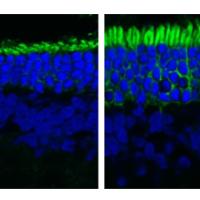
Researchers have developed lab-grown pig retinal organoids to test stem cell replacement therapies for diseases that damage the eye's light-sensing photoreceptors.
Researchers at the Jackson Laboratories used mice with nine different genetic backgrounds to identify factors influencing eye aging, paving the way for eye-based diagnostics for neurodegenerative diseases
Florida Atlantic University researchers Lisa A. Brennan and Marc Kantorow will determine the novel mechanisms that convert immature eye lens precursor cells into functional transparent cells.
A new report summarizes proceedings from an NEI workshop on extracellular vesicles (Evs) – cell-secreted nanoparticles that mediate cell-cell communication.
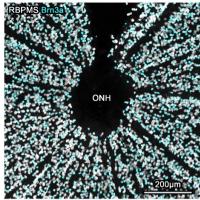
New findings from a National Eye Institute-led study add a twist on how a widely used cell death marker, annexin-V, can be interpreted in the lab and the clinic for tracking retinal cell death in eye diseases such as glaucoma.
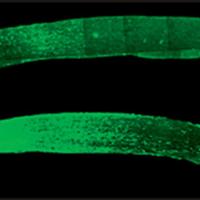
UConn scientists led by Ephraim Trakhtenberg regrew optic nerves in mice through eye injections of fibronectin peptides (pieces of the larger protein).