

Understanding our Priorities
Our research priorities, outlined in our strategic plan, reflect NEI’s commitment to safeguarding our nation’s sight by taking on the leading causes of blindness and vision loss in the United States. We support everything from basic research to clinical trials, including some studies that use model organisms and systems applicable to human vision.
Explore some of our research program areas below:
-

Retina
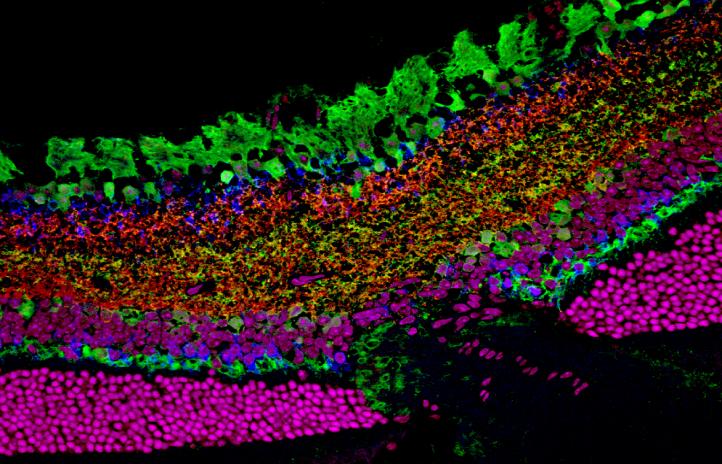
We support research investigating the causes, mechanisms and treatments for retinal diseases, with the goal of preserving and restoring sight through retinal repair.
-
Glaucoma and Optic Neuropathies
We advance research on molecular genetics, physiologic mechanisms, diagnostic methods, and treatments for glaucoma and other optic neuropathies.
-

Low Vision and Blindness Rehabilitation
NEI-funded research aims to increase understanding of vision loss, to unlock treatments to restore sight, and to develop technologies and training to improve quality of life for people with visual impairments.
Explore funding opportunities
Your path to NEI funding starts here. See our list of opportunities, learn how to apply, and read about our important policies and compliance standards.
NEI supports researchers
Our investment in vision research goes beyond funding. NEI’s expertise and a library of research resources are available to help grantees advance their work.
Our Impact
Supporting Visionaries
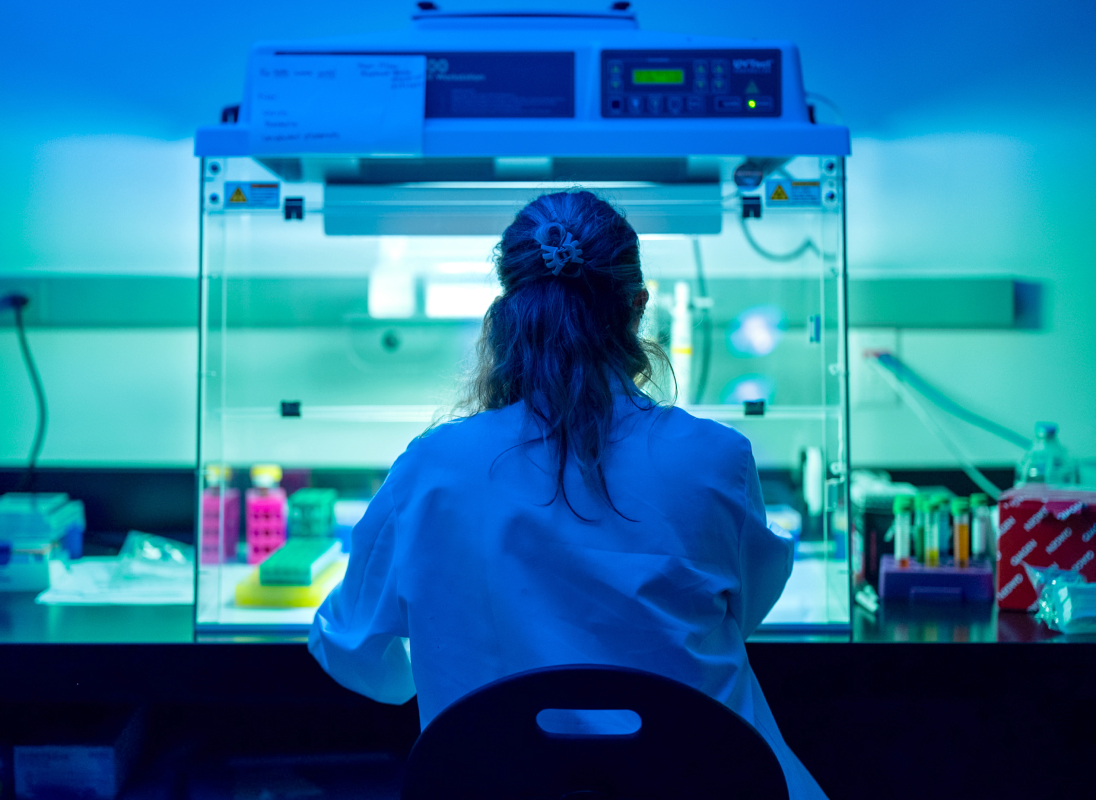
NEI supports the next generation of scientists and innovators in vision research. Get an inside look at how NEI-funded scientists find their footing, and change lives, in vision research.
More from NEI
-

Our Mission
NEI’s mission is to eliminate vision loss and improve quality of life through vision research. Learn how we’re bringing us closer to a world without vision loss by advancing the science that safeguards our sight.
-

Clinical Trials
Every year, we lead or support dozens of clinical trials and studies focused on eye diseases. Participating in a clinical trial or study can help researchers provide new treatments, learn new information, and find new ways to help. Learn about clinical studies, find opportunities to participate, and explore the impact of past studies.