
Findings may lead to new treatments for nearsightedness
August 5, 2019
Children
Myopia
Refractive Errors
Clinical Research
Grantee
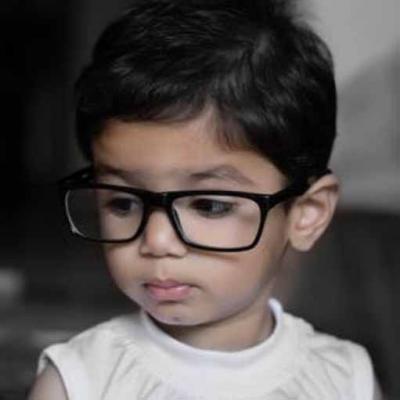
With a $1.8 million research grant sponsored by the National Eye Institute, University of Houston optometrist Lisa Ostrin is examining why an ever-increasing number of youngsters need glasses and, specifically, if exposure to specific types of light might prevent myopia, or nearsightedness.
Ostrin is examining the choroid in children to understand how circadian rhythm, light exposure, and defocus from lenses that blur images impact choroidal thickness. Prior research only scratched the surface for information, in the form of questionnaires for parents on their children’s daily habits. Now Ostrin supplies wearable technology for a precise recording, to the minute, of how much light exposure a child is getting.