Beginning in late July, NIH will start introducing a new website experience designed to make it easier to find health information, research, funding opportunities, and other resources. During the transition, you may notice changes to navigation, page layouts, and where some information is located. Learn more in our Frequently Asked Questions.
Thanks to the work of NEI scientists and grantees, we’re constantly learning new information about the causes and treatment of vision disorders. Get the latest updates about their work — along with other news about NEI.
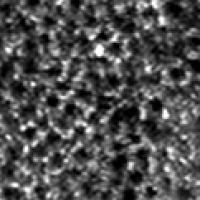
Researchers at the National Institutes of Health applied artificial intelligence (AI) to a technique that produces high-resolution images of cells in the eye. They report that with AI, imaging is 100 times faster and improves image contrast 3.5-fold.
Research shows that an artificial intelligence technology developed with NEI funding can accurately and independently detect all severe cases of retinopathy of prematurity.
A study of children and youth with diabetes concludes that diabetic eye exams using artificial intelligence (AI) increase completion rates of screenings to detect diabetic eye disease.
Using a technique they developed for studying eye fluid, Stanford Medicine researchers and their collaborators have found a way to measure ocular aging, opening avenues for treatment of numerous eye diseases.
Researchers have used artificial intelligence models and machine-learning algorithms to successfully predict which components of amino acids that make up therapeutic proteins are most likely to safely deliver therapeutic drugs to animal eye cells.
An inexpensive, smartphone-based camera can help doctors identify premature infants needing treatment for retinopathy of prematurity (ROP), according to a new study funded by the National Eye Institute (NEI).
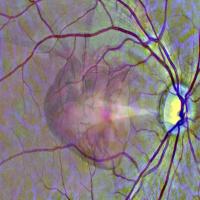
Scientists have developed an artificial intelligence system that can analyze eye scans taken during a routine visit to an optician or eye clinic and identify patients at a high risk of a heart attack.
National Eye Institute researchers developed and validated an artificial-intelligence-based method to evaluate patients with Stargardt, an eye disease that can lead to childhood vision loss.