Thanks to the work of NEI scientists and grantees, we’re constantly learning new information about the causes and treatment of vision disorders. Get the latest updates about their work — along with other news about NEI.
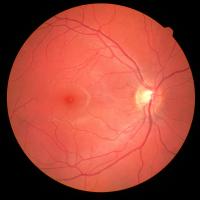
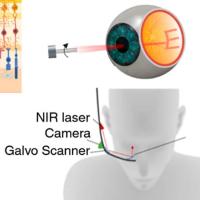
Researchers at the Jackson Laboratories used mice with nine different genetic backgrounds to identify factors influencing eye aging, paving the way for eye-based diagnostics for neurodegenerative diseases
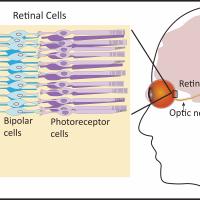
New findings from a National Eye Institute-led study add a twist on how a widely used cell death marker, annexin-V, can be interpreted in the lab and the clinic for tracking retinal cell death in eye diseases such as glaucoma.
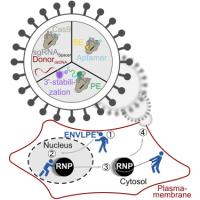
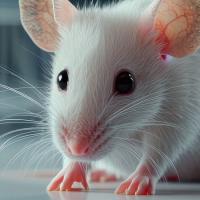
National Eye Institute-funded scientists using gene editing corrected a mutation in a mouse model of retinitis pigmentosa, an inherited blinding eye disorder. The gene editing strategy restored production of rhodopsin, and retinal function and structure
New data demonstrate how social determinants of health can fuel disparities in monitoring for diabetic retinopathy for patients of different racial and ethnic groups.
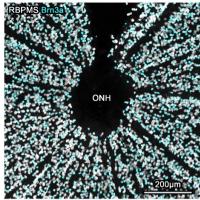
NEI-funded team demonstrates for the first time that cytokines play an important role in the development and regeneration of the retinal cells that degenerate in glaucoma.
Research led by scientists at the National Eye Institute and Sun Yat-sen University, Guangzhou, China points to a potential strategy for extending the cold storage shelf life of donor cells and tissues, such as those of the pancreas.
Researchers at the University of Missouri School of Medicine have discovered that the virus that causes COVID-19 can breach the blood-retina barrier with potential long-term consequences in the eye.