Thanks to the work of NEI scientists and grantees, we’re constantly learning new information about the causes and treatment of vision disorders. Get the latest updates about their work — along with other news about NEI.
As regenerative therapies for blinding diseases move closer to clinical trials, the NEI's functional imaging consortium is pioneering noninvasive technologies to monitor the function of the retina’s neurons and their connections to the brain.
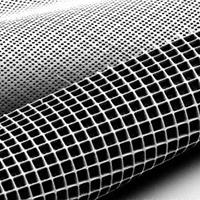
Researchers at the University of Wisconsin have developed a micro-molded scaffolding photoreceptor “patch” designed to be implanted under a damaged or diseased retina.
LambdaVision, the Farmington, Connecticut-based biotech firm that developed the artificial retina, is exploring optimizing production of an artificial retina in space, in a series of missions to the International Space Station.
Scientists at the University of Pennsylvania School of Veterinary Medicine report findings of a gene therapy to treat a severe form of Leber congenital amaurosis, caused by mutations in the NPHP5 gene.
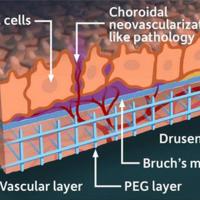
NEI-funded research at the University of Rochester has led to the development of a 3D lab model that mimics the part of the human retina affected in age-related macular degeneration.
The National Eye Institute (NEI) Data Commons now enables researchers to access data from patients with macular degeneration who participated in the Age-related Eye Disease Study 2 (AREDS2).
A broadly applicable AAV genome-coupled immunomodulation strategy helps cloak the AAV virus from unwanted immune responses, and offers important insights into ocular inflammation.
Scientists at the National Eye Institute (NEI) have developed a promising gene therapy strategy for a rare disease that causes severe vision loss in childhood.
Researchers at Georgia Tech have developed a potential new treatment for the eye disease glaucoma that could replace daily eyedrops and surgery with a twice-a-year injection to control the buildup of pressure in the eye.