Thanks to the work of NEI scientists and grantees, we’re constantly learning new information about the causes and treatment of vision disorders. Get the latest updates about their work — along with other news about NEI.
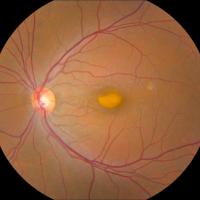
Loss of the protein pigment epithelium-derived factor (PEDF), which protects retinal support cells, may drive age-related changes in the retina, according to a new study in mice from the National Eye Institute.
Clinical trial results from the DRCR Retina Network suggest that a specific step strategy gives results similar to starting off with the higher-priced drug.
The eye’s light-sensing retina taps different circuits depending on whether it is generating image-forming vision or carrying out a non-vision function such as regulating pupil size or sleep/wake cycles, according to a new mouse study.
Did you know the sun's ultraviolet (UV) rays can also damage the eyes? Here are some common questions and answers about UV light and how to protect your eyes from the sun.
A new report outlines progress toward the National Eye Institute's Audacious Goals Initiative (AGI), an effort to restore vision through research in regenerative medicine. The report, published in Nature Medicine.
The AREDS2 formula not only reduces risk of lung cancer due to beta-carotene, but is also more effective at reducing risk of AMD progression, compared to the original formula.
A 28-patient phase 1 gene therapy clinical trial for the degenerative retinal disease Leber hereditary optic neuropathy (LHON) found no significant safety concerns; however, treatment failed to improve or slow vision loss, with even the highest dose.
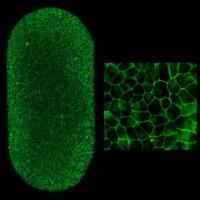
Researchers have identified distinct differences among the cells comprising a tissue in the retina that is vital to human visual perception. The scientists from the National Eye Institute (NEI) discovered five subpopulations of retinal pigment epithelium.
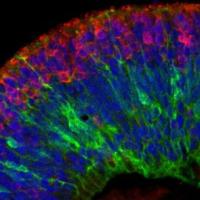
Molecular and cellular changes in rod photoreceptors are detectable in a mouse model of retinal degeneration several days prior to observable morphological changes, according to researchers at the National Eye Institute.