Thanks to the work of NEI scientists and grantees, we’re constantly learning new information about the causes and treatment of vision disorders. Get the latest updates about their work — along with other news about NEI.
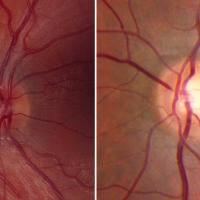
National Eye Institute researchers developed and validated an artificial-intelligence-based method to evaluate patients with Stargardt, an eye disease that can lead to childhood vision loss.
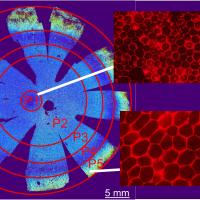
Using a stem-cell-derived model, researchers have identified two drug candidates that may slow dry age-related macular degeneration (AMD), a leading cause of blindness for which no treatment exists.
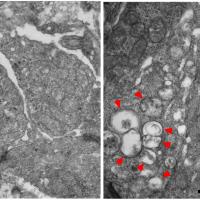
Scientists have discovered that gene therapy and the diabetes drug metformin may be potential treatments for late-onset retinal degeneration (L-ORD), a rare, blinding eye disease.
The National Eye Institute has released a new strategic plan. 2021 Vision for the Future charts the next five years of NEI’s mission: to eliminate vision loss and improve quality of life through vision research.
As scientists move closer to testing regenerative therapies for eye disease, techniques are needed to monitor transplanted cells as they integrate with host tissues.
A handheld screening device that detects subtle misalignment of the eyes accurately identifies children with amblyopia (lazy eye), according to a study published in the Journal of American Association for Pediatric Ophthalmology and Strabismus.
Equipped with a color 3D camera, an inertial measurement sensor, and its own on-board computer, a newly improved robotic cane could offer blind and visually impaired users a new way to navigate indoors.