Thanks to the work of NEI scientists and grantees, we’re constantly learning new information about the causes and treatment of vision disorders. Get the latest updates about their work — along with other news about NEI.
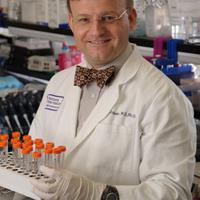
Dr. Brian Brooks of NEI has been elected into one of the nation’s most respected medical honor societies, the American Society for Clinical Investigation (ASCI).
Researchers have made progress toward an approach that would use light-sensitive drugs to stimulate cells in the retina and restore vision to people who are blind or visually impaired.
Glaucoma is sometimes called the “silent thief of sight” because it slowly damages the eyes and can cause irreparable harm before there is any vision loss.
Imagine you are building a house. You would need a team of specialists, including an architect, a general contractor, carpenters, an electrician, a plumber and many others.
The National Institutes of Health is releasing funding opportunities to build a new arsenal of tools and technologies for unlocking the mysteries of the brain.
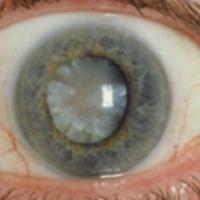
Ten years after a transplant, a cornea from a 71-year-old donor is likely to remain as healthy as a cornea from a donor half that age, according to the Cornea Donor Study.
If you are one of more than 25 million Americans with diabetes, you may already know the importance of watching your diet and keeping track of your blood sugar. But did you know it’s also important to have regular eye exams?
Three projects have been awarded funding by the National Institutes of Health to develop innovative robots that work cooperatively with people and adapt to changing environments to improve human capabilities and enhance medical procedures.