Thanks to the work of NEI scientists and grantees, we’re constantly learning new information about the causes and treatment of vision disorders. Get the latest updates about their work — along with other news about NEI.
UConn scientists led by Ephraim Trakhtenberg regrew optic nerves in mice through eye injections of fibronectin peptides (pieces of the larger protein).
Study reveals how DNA damage, a hallmark of aging, compromises the retina’s function and accelerates vision loss. Targeting specific retinal cell types could lead to treatments that slow or stop progression.
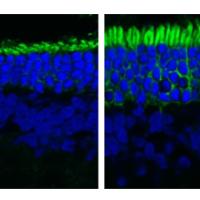
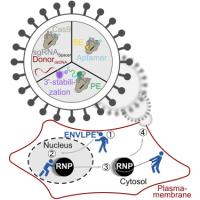
National Eye Institute-funded scientists using gene editing corrected a mutation in a mouse model of retinitis pigmentosa, an inherited blinding eye disorder. The gene editing strategy restored production of rhodopsin, and retinal function and structure
Working with week-old zebrafish larva, researchers at Weill Cornell Medicine and colleagues decoded how the connections formed by a network of neurons in the brainstem guide the fishes’ gaze.
Experts convened by the National Institutes of Health (NIH) have identified five elements of a brain-based condition that has emerged as a leading cause of vision impairment starting in childhood in the United States and other industrialized nations.
The National Eye Institute (NEI) hosted its annual Focus on Fellows retreat on October 17-18, 2024, bringing together NEI trainees—graduate students, postbac fellows, and postdoctoral researchers—to enhance collaboration and foster career growth.
Researchers today are releasing the flagship dataset from an ambitious study of biomarkers and environmental factors that might influence the development of type 2 diabetes, which is associated with a range of eye diseases such as diabetic retinopathy..
Research team has identified advanced preclinical candidates targeting the bisretinoid synthesis pathway, which could help treat macular degeneration and Stargardt disease.
New research suggests long-term, low-dose antiviral treatment reduces the risk for potentially vision-damaging bouts of shingles-related eye inflammation, infection, and pain.