Thanks to the work of NEI scientists and grantees, we’re constantly learning new information about the causes and treatment of vision disorders. Get the latest updates about their work — along with other news about NEI.
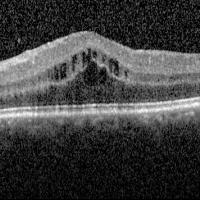
Repeat treatment with corticosteroid injections improved vision in people with persistent or recurrent uveitis-related macular edema better than two other therapies, according to results from a clinical trial funded by the National Eye Institute (NEI).
Taking a daily multivitamin supplement can slow age-related memory decline, finds a large study led by researchers at Columbia University and Brigham and Women’s Hospital/Harvard.
An inexpensive, smartphone-based camera can help doctors identify premature infants needing treatment for retinopathy of prematurity (ROP), according to a new study funded by the National Eye Institute (NEI).
Researchers supported by the NEI are developing artificial intelligence/machine learning (AI/ML)-based systems that not only screen for AMD but also predict which patients will likely progress to late within two years.
Cedars-Sinai investigators map changes to the retina that correspond to brain changes in the early stage of Alzheimer's disease, opening a path to earlier diagnosis.
Questions remain about artificial tears linked to an outbreak of Pseudomonas aeruginosa infections involving 68 people in 16 states, including 5 cases of vision loss, as well as lung and urinary tract infections, and one death.
A recent international clinical study demonstrates that low intracranial pressure correlates with impaired patient vision, especially in the nasal zone.
While early treatment of diabetes-related eye disease slowed progression to severe disease, it did not improve visual acuity compared with treating more severe disease once it developed, according to a clinical study from the DRCR Retina Network.