Thanks to the work of NEI scientists and grantees, we’re constantly learning new information about the causes and treatment of vision disorders. Get the latest updates about their work — along with other news about NEI.
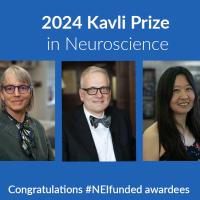
Three Kavli laureates, with their work on neocortical specialization for face recognition, have provided basic principles of neural organization, which will further our understanding of recognition of objects and scenes.
A new study from MIT offers a possible explanation for how the brain comes to be adept at identifying both color and color-degraded images, even though the human visual system has sophisticated machinery for processing color.
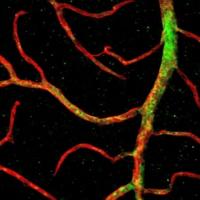
Researchers at the University of Missouri School of Medicine have discovered that the virus that causes COVID-19 can breach the blood-retina barrier with potential long-term consequences in the eye.
A five-year grant will fund research investigating biological processes that contribute to defects in immune response in the eyes of those with diabetes and identify methods to reverse them.
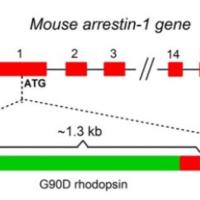
About 79% of clinical trial participants experienced measurable improvement after receiving experimental, CRISPR-based gene editing that is designed to fix a rare form of blindness.
A gene previously implicated in the development of atherosclerotic lesions in coronary arteries could be key to understanding why many people don’t benefit from the most used therapy for neovascular age-related macular degeneration (AMD).
Researchers used an imaging technology called adaptive optics to identify rare cells that could help fill in the gaps in existing theories of color perception.