Thanks to the work of NEI scientists and grantees, we’re constantly learning new information about the causes and treatment of vision disorders. Get the latest updates about their work — along with other news about NEI.
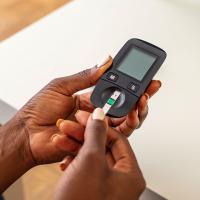
Researchers at Johns Hopkins Medicine say they have linked transient low blood sugar levels that occur in people with diabetes with a molecular pathway that is turned on in oxygen-starved cells in the eye.
Study from University of Alabama at Birmingham suggests that a leaky small intestine that weakens the barrier between gut bacteria and the blood system may drive diabetic retinopathy.
Using nanotechnology that enabled mRNA-based COVID-19 vaccines, a new approach to gene therapy may improve how physicians treat inherited forms of blindness.
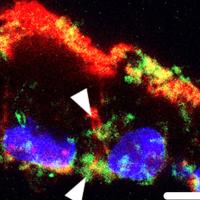
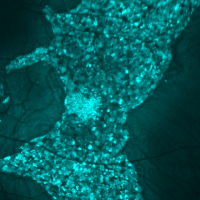
Retinal cells grown from stem cells can reach out and connect with neighbors, according to a new study, completing a “handshake” that may show the cells are ready for trials in humans with degenerative eye disorders.
An international team led by Harvard Medical School scientists has discovered a new genetic mutation that may be a root cause of severe cases of childhood glaucoma, a devastating condition that runs in families.
Using a new stem-cell based model made from skin cells, scientists found the first direct evidence that Stargardt-related ABCA4 gene mutations affect a layer of cells in the eye called the retinal pigment epithelium (RPE).
Fulya Yaylacıoğlu Tuncay, M.D., Ph.D., said she gained crucial experience in translational medicine as the first participant in an ocular genetics fellowship program sponsored by NEI and the International Council of Ophthalmology.
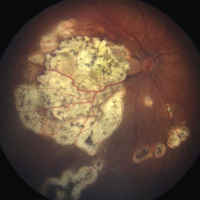
Researchers at the National Eye Institute (NEI) have shown for the first time how cells across different tissue layers in the eye are affected in people with choroideremia, a rare genetic disorder that leads to blindness.