Thanks to the work of NEI scientists and grantees, we’re constantly learning new information about the causes and treatment of vision disorders. Get the latest updates about their work — along with other news about NEI.
Researchers from the National Institutes of Health (NIH) have discovered the source of dysfunction in the process whereby cells in the eye's retina remove waste.
Researchers have discovered a connection between levels of specific proteins in patients’ tears and persistent pain months after surgery such as LASIK.
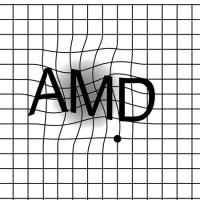
Researchers have found that taking a daily supplement containing antioxidant vitamins and minerals slows progression of late-stage dry age-related macular degeneration (AMD), potentially helping people preserve their central vision.
Scientists from around the world gathered recently in Seattle, Washington, at the annual meeting of the Association for Research in Vision and Ophthalmology (ARVO) to address the global increase in myopia (nearsightedness).
Faces of familiar individuals with whom one has frequent social interactions with are learned in the basal ganglia region (specifically the tail part of the striatum) through the same neural mechanisms that recognize the value of objects.
Researchers at the University of Oklahoma Health Sciences and Memorial Sloan Kettering (MSK) Cancer Center are studying a new, revolutionary treatment for diabetic retinopathy that could change the prognosis for these patients.
Three Kavli laureates, with their work on neocortical specialization for face recognition, have provided basic principles of neural organization, which will further our understanding of recognition of objects and scenes.
Research led by scientists at the National Eye Institute and Sun Yat-sen University, Guangzhou, China points to a potential strategy for extending the cold storage shelf life of donor cells and tissues, such as those of the pancreas.