Skip to content

Research and Training

The National Eye Institute is the lead federal agency for vision research. As part of the National Institutes of Health, NEI safeguards our sight by advancing the prevention and treatment of eye diseases and vision problems. 

Research we Conduct

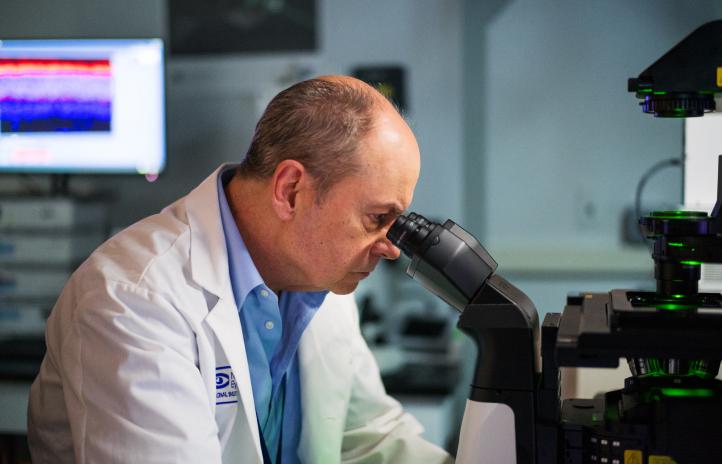
NEI’s intramural research program conducts vision research science and ophthalmology at the main NIH campus in Bethesda, Maryland. In addition to being our in-house home for groundbreaking research, our program is an incubator for the next generation of vision researchers.

  • Research Labs and Branches

    NEI scientists are part of the National Institutes of Health Intramural Research Program (IRP), the largest biomedical research institution in the world. From eye disease to gene therapy, our staff scientists, fellows, and students are discovering the future of vision research.

  • Training Opportunities

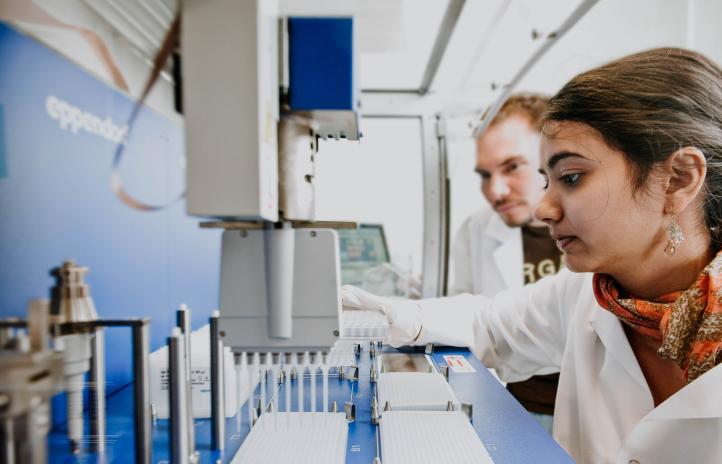
    Interested in vision research? NEI has a broad range of opportunities for students and professionals, including internships and fellowships, and training programs at our labs in Bethesda, Maryland. We also support opportunities at institutions throughout the country.

Research we Support

NEI funds extramural research that aligns with our mission to eliminate vision loss and approve quality of life through vision research. Find funding opportunities and learn how to apply below.

  • Funding Opportunities

    Explore NIH’s Grants & Funding search page (from the Office of Extramural Research) to find up-to-date information about NIH funding, including all NEI-related programs and opportunities.

  • How to Apply

    Get an overview of the application process, read tips on how to develop your proposal, and see current funding opportunities and research priorities. 

Vision Research News

  1. NEI-funded scientists develop "living eye drop" for corneal healing

    National Eye Institute-funded research at the University of Pittsburgh School of Medicine showed that an early-stage, experimental “living eye drop” that uses naturally occurring eye bacteria supports corneal wound healing.

  2. NEI scientists develop "digital twin" of eye cells to understand and treat age-related macular degeneration

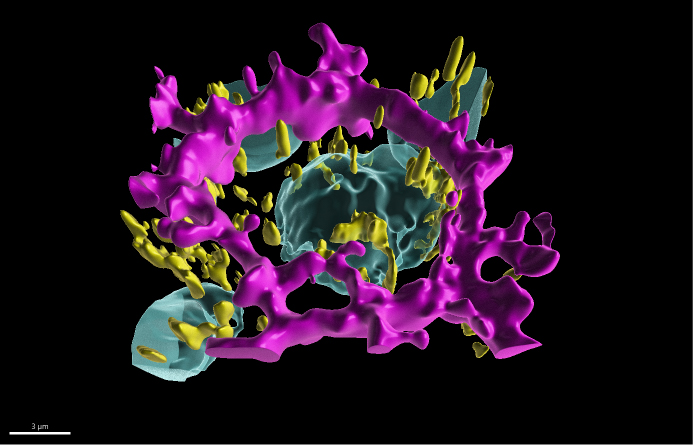
    National Eye Institute (NEI) researchers have developed a digital replica of crucial eye cells, providing a new tool for studying how the cells organize themselves when they are healthy and affected by diseases.

  3. NEI study challenges genes as destiny for inherited eye disorders

    A new study challenges the traditional understanding of disease genetics for IRDs and other rare genetic diseases according to the researchers, and may have implications for the clinical use of genetic testing and the development of new treatments.

Upcoming Events

  1. 2026 Piatigorsky Basic Science Lecture & Award

    April 21, 2026 — 3:00 pm to 4:30 pm ET

    Bethesda, MD

    King-Wai Yau, Ph.D.
    Professor of Neuroscience
    Johns Hopkins University School of Medicine


    Download event program:


    Light Detection by Retinal Rods and Cones

    In this talk, King-Wai Yau of Johns Hopkins University presents how retinal rods and cones detect and process light at the most fundamental level. Drawing on decades of pioneering basic science research, he explains the molecular and cellular mechanisms of phototransduction, including how individual photons can be reliably detected by rod photoreceptors and how cones support vision across a wide range of light intensities and colors. The lecture highlights key experimental discoveries that shaped our current understanding of visual signaling and illustrates how fundamental research in sensory biology reveals general principles of neural function.

  2. Why is Glaucoma an Age-Related Disease

    May 21, 2026 — 12:00 pm to 1:00 pm ET

    Bethesda, MD

    Steven L. Bernstein, MD, PhD
    Professor, Ophthalmology and Visual Sciences
    University of Maryland School of Medicine

    Dr. Steven Bernstein and his laboratory interests center on age-related and genetically associated optic nerve diseases, in particular nonarteritic anterior ischemic optic neuropathy (NAION), which is a stroke of the optic nerve, and the most common cause of sudden optic nerve-related vision loss. During the last five years, his laboratory has developed new ways to identify stem cells that may both contribute to normal nerve function, and aid in repair of optic nerve injury.

  3. What do Reactive Astrocytes (really) Do

    June 4, 2026 — 12:00 pm to 1:00 pm ET

    Bethesda, MD

    Shane Liddelow, PhD
    Associate Professor
    NYU Grossman School of Medicine

    Dr. Shane Liddelow's primary research focus is on understanding the complex roles of astrocytes in the brain. Astrocytes are a type of glial cell that play crucial roles in maintaining brain homeostasis, supporting neuron function, and responding to injury. His work has particularly centered on a subtype of reactive astrocytes that we discovered, which release toxic factors capable of killing specific neurons.

Our Impact

Supporting Visionaries

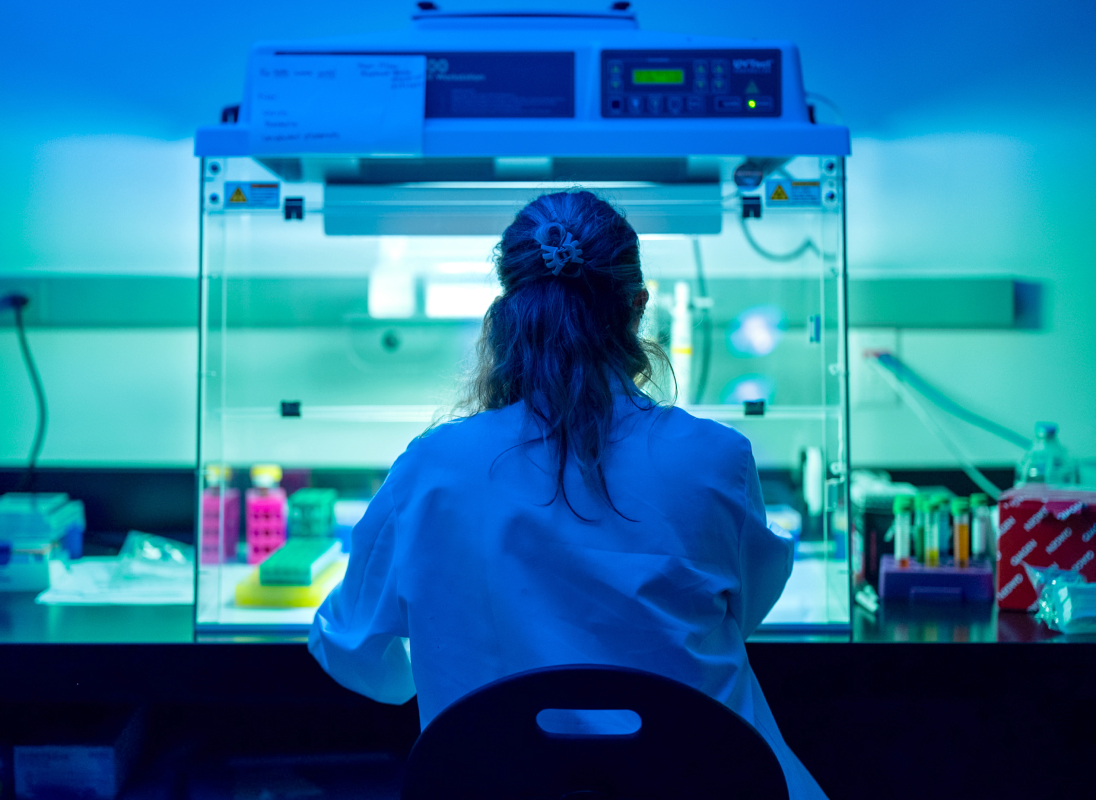
NEI supports the next generation of scientists and innovators in vision research. Get an inside look at how NEI-funded scientists find their footing, and change lives, in vision research.
Uncover our impact

More from NEI

  • NEI History

    For more than 50 years, NEI has been at the cutting edge of vision research and outreach to help the public keep their eyes healthy.

  • Research Priorities

    Our research is focused on the leading causes of blindness and impaired vision. NEI supports research, trials, studies, and career development in these critical categories. NEI-funded research is being conducted at over 150 institutions worldwide.

Last updated: April 9, 2026